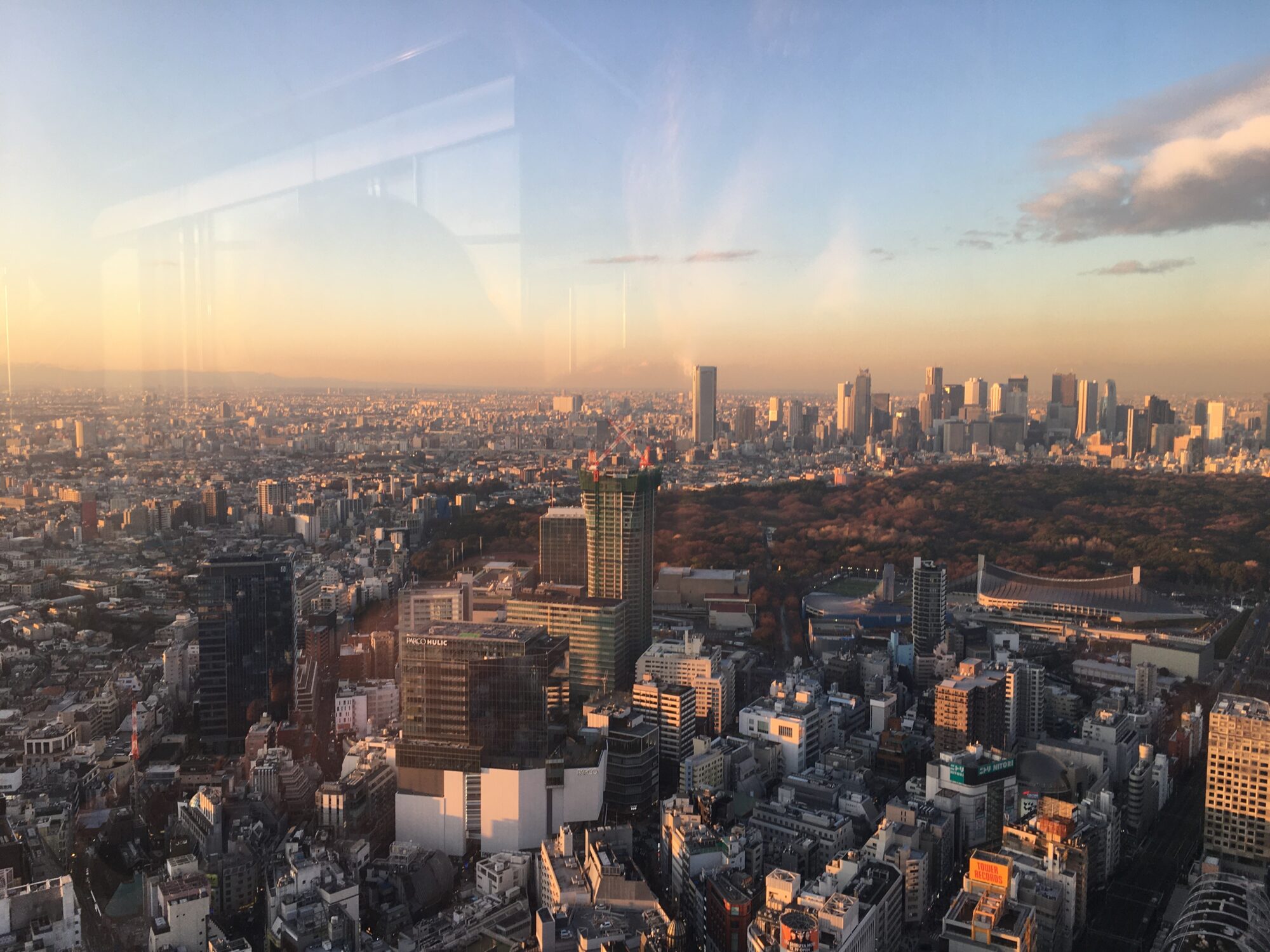

Urban commoning can refer to the ways people collectively create, manage, and sustain shared urban resources through social practices that are embedded in everyday life. It is less about fixed “resources” and more about the ongoing negotiations, trust networks, and norms that allow communities to maintain public life, cultural practices, and spaces of care. In cities, commoning may include taking care of public parks, in between and left-over places, cultural events, or local mutual aid networks. The approach highlights that urban life is socially produced: how people relate, cooperate, and claim space shapes the city as much as formal planning or market forces.
In Japan, it can be argued that urban commoning is deeply rooted in historical and local forms of governance. For example different type of neighborhood associations provide frameworks for collective responsibility, while contemporary initiatives, from managing semi-public places as alleyways to organizing local matsuri and disaster drills, show how everyday cooperation persists within dense urban environments. These practices rely on trust, reciprocity, and shared norms, but they are also shaped by generational hierarchies, gendered roles, and pressures from urban redevelopment.
Viewed in an Asian context, Japanese urban commoning might offer insights into socially embedded resilience. In a region frequently affected by earthquakes, typhoons, and other environmental risks, community networks often play a critical role in risk communication, evacuation, and post-disaster recovery. Commoning is thus not only about everyday life but also about preparing for extraordinary events. It shows that resilience emerges from the slow, persistent weaving of social ties, local knowledge, and small-scale practices long before disaster strikes. As such, Japan’s experience encourages reflection on how urban social infrastructures, both formal and informal, mediate vulnerability and opportunity in cities.
To dig deeper, the following questions could be raised:
How do everyday, local forms of commoning in neighborhoods shape social cohesion, and who is included or excluded in these networks?
In what ways do culturally specific practices of trust, reciprocity, and obligation influence urban resilience in disaster-prone areas of Japan?
How can the lessons of Japanese urban commoning inform broader theories of social infrastructure and resilience in Asian cities, without flattening the local, historical, and spatial specificities of place?

Urban Commoning seen in Yokohama, 2026