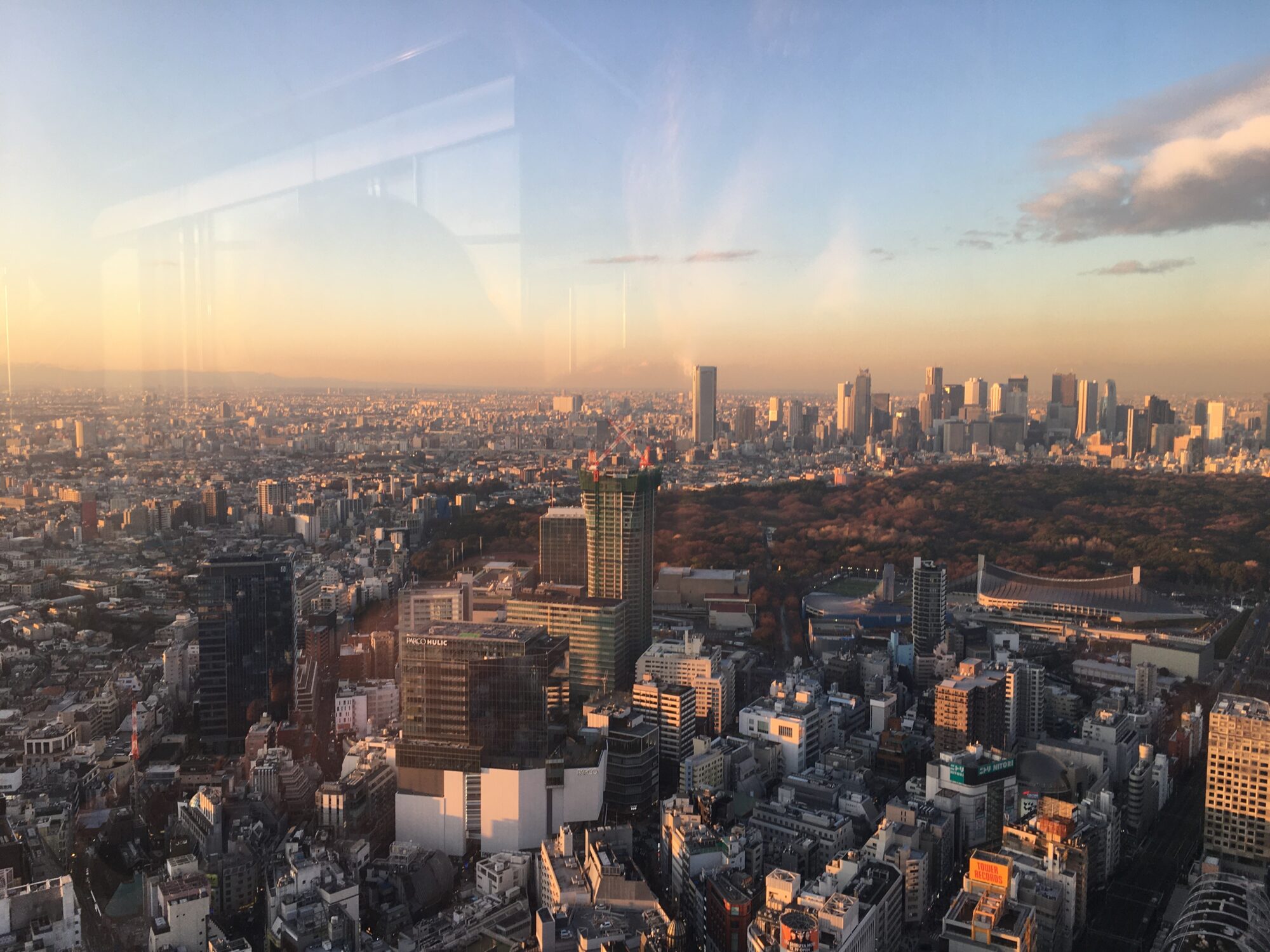
The new semester of 2026/27 started again with the usual movement between classrooms, seminar discussions and student consultations. The first weeks are always slightly chaotic, but also interesting because this is usually where new research ideas slowly begin to develop. This semester, many students are working on topics connected to everyday urban life in Tokyo, especially questions about tourism pressure, local culture, changing communities and small urban spaces.
A lot of our fieldwork this year takes place in neighborhoods such as Jimbocho, Yanaka and Shin-Okubo. Students observe how ordinary urban details, rubbish disposal, public manners, micro parks and urban health, inclusive cafés, hybrid new store concepts, reveal larger social and cultural changes inside the city. Some projects also focus on overtourism and the growing tension between visitors, local residents and commercial change.

One important research focus this year is the continuation of comparative urban research in Japan, Korea and New Zealand etc. The project looks at alleyways and informal community spaces and asks how these environments contribute to urban resilience, social interaction and mental well-being in dense cities. We are especially interested in how small and often overlooked spaces shape everyday urban experience. Recent discussions about urban health, walkability and “in-between” spaces became very relevant for this research.
Another developing topic is the role of innovative and inclusive cafés in Tokyo. In areas like Shin-Okubo or Jimbocho, cafés increasingly function not only as commercial spaces but also as small social infrastructures where different generations, cultures and communities interact. Some student projects examine how these spaces respond to demographic change, multicultural urban life and post-pandemic social behavior.
Teaching this semester again places strong emphasis on observation and visual research methods. Rather than only discussing theory in the classroom, students are encouraged to directly experience the city through guided walks, photography, mapping and field observation. This approach remains important because many important urban questions can only really be understood by spending time in the streets and carefully observing everyday life.