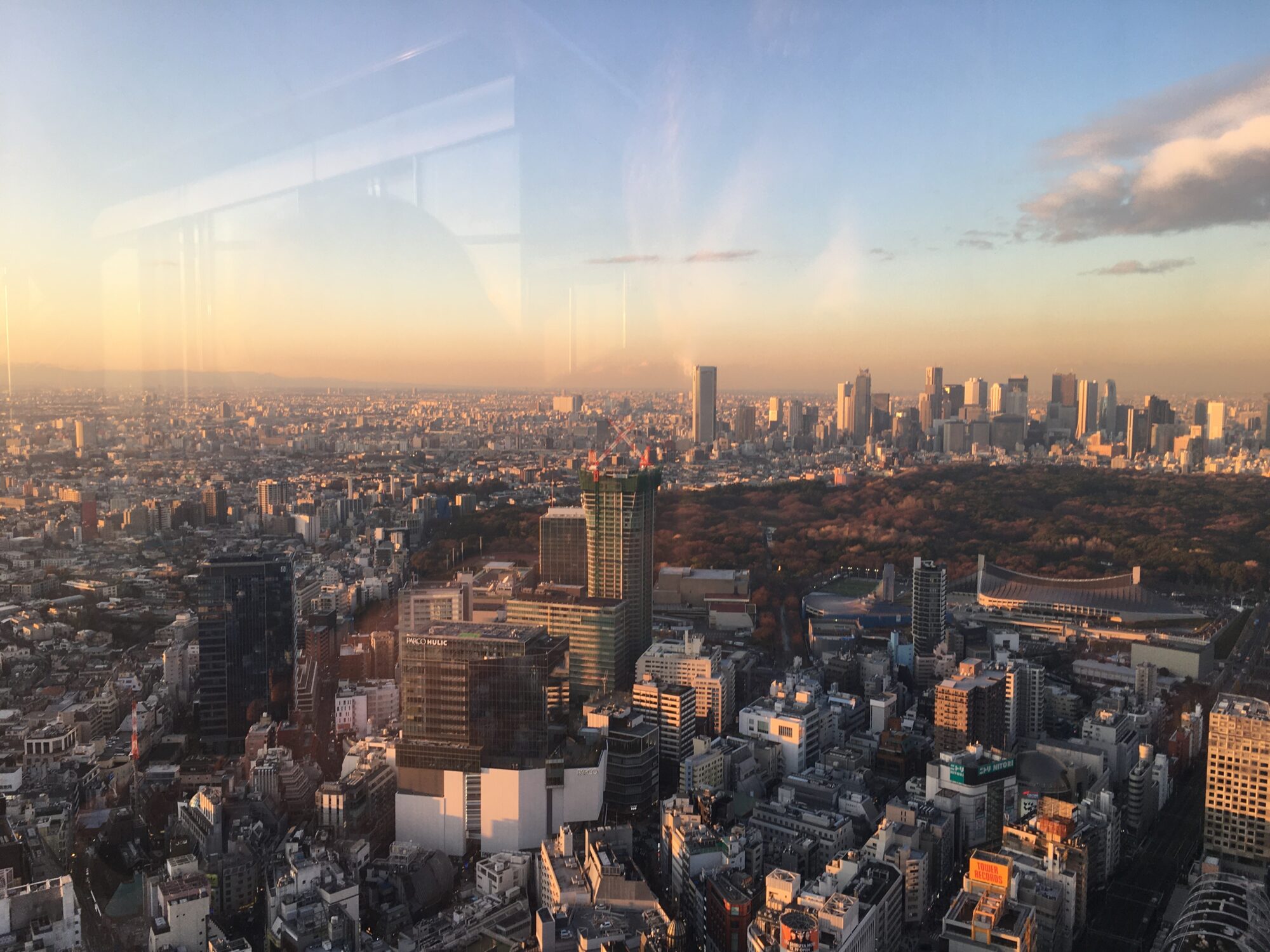

The 2025 Urban Design Seminar has only just commenced, and yet already the questions being raised carry a particular urgency. Our point of departure – Jimbocho, Tokyo’s historic book district – offered more than a geographic starting place. It provided a spatial metaphor: a neighborhood suspended between memory and momentum, grappling with how to remain anchored in its literary and cultural past while adapting to the shifting demands of urban redevelopment.
Over the course of the seminar, we will traverse a series of distinct urban contexts. We will engage directly with local stakeholders, analyze comparative policy case studies, and develop experimental, small-scale interventions informed by both local insights and global frameworks. At the core of this journey are the graduation themes for 2025 – a constellation of intellectual and practical concerns that reflect the evolving relationship between the urban environment and the human condition.
Among these themes is an exploration of emotional wellbeing in the city – a subject that transcends the traditional bounds of urban psychology. This line of inquiry asks how spatial arrangements, material choices, and everyday encounters in the city contribute to, or detract from, a sense of emotional equilibrium. The affective quality of urban life – often overlooked in planning discourse demands greater attention, particularly in increasingly dense, overstimulated urban environments.
Another theme examines the subtle power of micro-infrastructures—seemingly ordinary elements such as benches, which, when thoughtfully integrated into the public realm, can serve as catalysts for social interaction, reflection, and accessibility. These elements operate at the intersection of functionality and symbolism. Their presence or absence speaks volumes about a neighborhood’s orientation toward hospitality, rest, and relational space. The contrast between Jimbocho’s introspective atmosphere and the socially vibrant street culture of Jiyugaoka provides a compelling case comparison. In Jiyugaoka, public seating is not merely utilitarian – it is integral to the neighborhood’s social fabric, contributing to a culture of lingering, informal gathering, and embedded identity.

A third theme foregrounds the multifunctionality of urban parks, especially in the context of climate adaptation and disaster preparedness. In Japan, parks are tasked not only with providing spaces for leisure and ecological value but also serving as emergency assembly points and temporary shelters in times of crisis. This dual function introduces complex design challenges. Beyond logistical considerations, there is a need to address more inclusive design, ensuring these spaces are perceived as safe and accessible for all users – before, during, and after disaster events. Case studies of urban parks that have been tested under such conditions will be central to our investigation, offering critical insights into how resilience is socially and spatially distributed.
These thematic trajectories – emotional wellbeing, social infrastructure, and urban resilience – do not exist in isolation. They intersect, overlap, and at times, complicate one another. As the seminar progresses, our task is not only to understand these dynamics analytically but to engage them creatively, through contextual research, collaborative design, and iterative testing.
We return to the city again and again – not merely as designers or observers, but as interlocutors. The city speaks in fragments: in gestures, silences, materials, and voids. In 2025, our work is to listen more deeply, to read more critically, and to design more sensitively – toward an urban future that is as emotionally intelligent as it is structurally sound.