

Attending a Community Studies Conference in Hilo, Hawai‘i in June 2025 was not only an intellectual experience but also personally and emotionally meaningful. Held in the spirit of dialogue across cultures and disciplines, the conference brought together researchers, artists, activists, and community leaders from many different parts of the Pacific and beyond. From topics like climate adaptation and sovereignty struggles to urban community design and human rights, the conversations were diverse, challenging, and often deeply hopeful.
The presentation I gave was entitled “Reimagining Urban Voids in Pacific Rim Cities: Transforming Small-Scale Spaces into Civic and Community Hubs for Resilience and Sustainability.” This research is based on fieldwork conducted in Tokyo, Sydney, and Taipei in 2024–2025 and funded by Senshu University (https://shorturl.at/UigD5), explores how underused urban spaces – like alleyways, pocket parks, and other informal places – can be transformed into civic third spaces. These spaces, although often overlooked in official planning documents, can become vital infrastructures for social cohesion, sustainability, and resilience, especially in neighbourhoods exposed to climate threats like urban flooding or heat stress.
During my presentation and the discussions that followed, it became clear that many colleagues across the Pacific are working with similar questions: How can we design cities that are not only efficient but also just and caring? How can communities themselves shape their environments, and what role do local knowledge systems and Indigenous values play in rethinking resilience?
What was especially enriching for me was the chance to exchange ideas with researchers from Hawai‘i, New Zealand, the Philippines, and Australia. I was deeply touched by the cultural presentations and stories from Hawaiian participants, who generously shared insights about ʻāina (land), kuleana (responsibility), and the importance of place-based identity. It made me reflect on how resilience is not only about infrastructure or design but also about relationship – with land, with ancestors, with future generations.
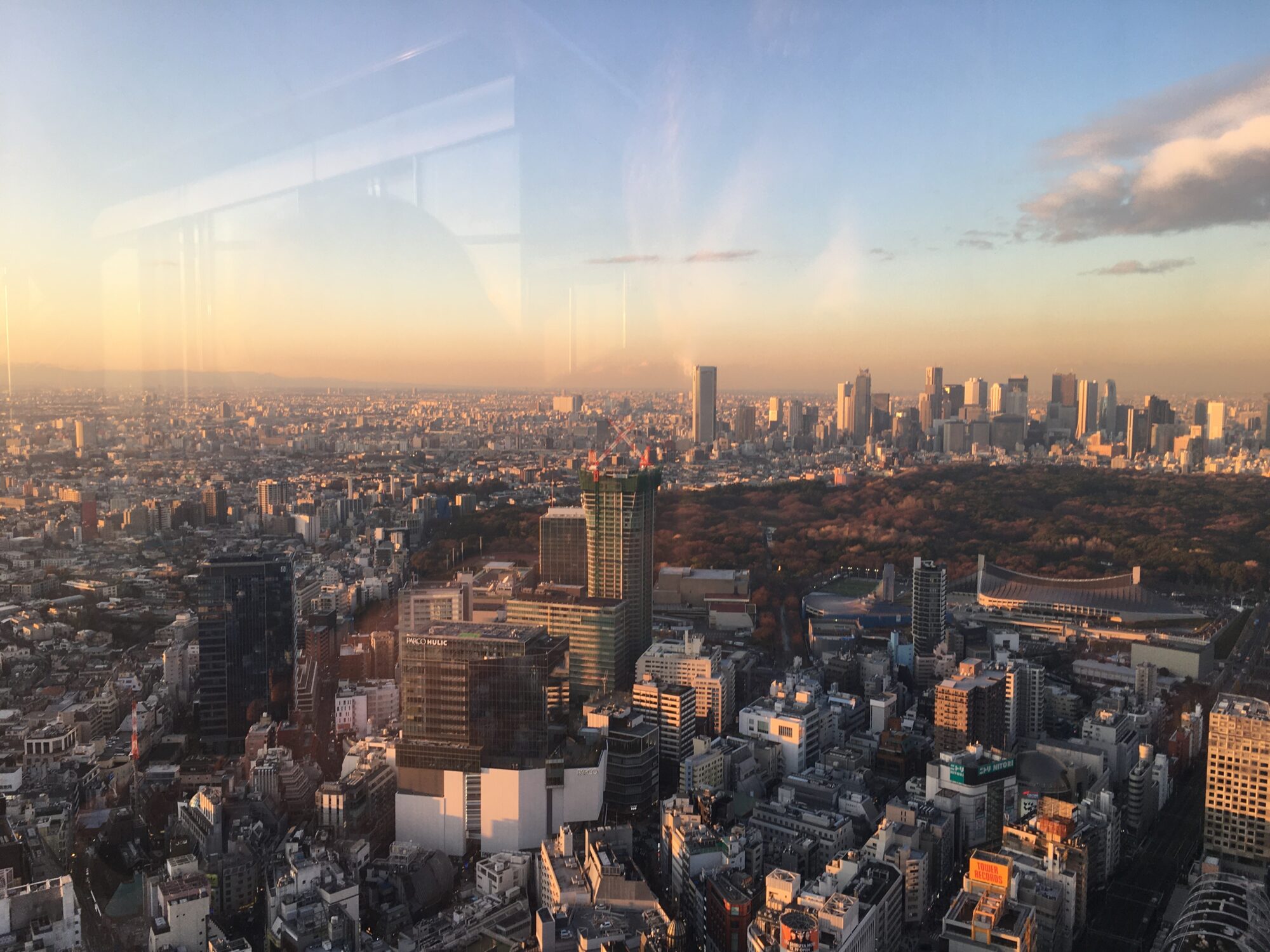
This has strongly influenced how I now look at my work in Japan. I plan to revisit some sites in Tokyo with this new lens, asking: How are informal spaces in Japanese cities also linked to everyday resilience, memory, and care? And can we learn from Hawaiian concepts of land as living relative to rethink how we approach urban voids in dense Asian megacities?
Besides the academic input, the conference was also simply a joy to attend. I met so many fascinating people from different cultural backgrounds – an architect from Guam working on youth spaces, a social worker from Manila involved in post-typhoon housing, and a student from Vancouver doing art interventions. There were art, workshops, and informal conversations in the hallway, which reminded me again that research is not only about producing knowledge but also about building connections – across disciplines and across borders.

In the end, I came home with new ideas, stronger networks, and a renewed commitment to place-based, community-driven research. I am already thinking about how I can apply these insights to future work in the Pacific Rim context – maybe even towards a larger multi-year grant project that links urban resilience, Indigenous knowledge, and micro-scale spatial innovation. Mahalo nui loa to the organisers and all the people I met. This was more than just a conference – it was a moment of learning, sharing, and imagining better futures together.